Anatomy is the study of structure that involves identifying, naming, and distinguishing between all known landmarks of an organism. The term Anatomy comes from root words that literally mean “to cut apart,” and reflects the historical origins of the science: dissection.


The practice of human dissection especially was historically taboo for religious and political reasons, and as a result, many early discoveries were kept secret. As time passed and the advantages of such study became evident, it was clear there was a need for a uniform working vocabulary. Until this point, due to isolated discoveries in different parts of the world, there were many names for each particular structure. Anatomists in many countries had been independently discovering and naming parts of the body. One could see how this would retard the progression of the science. There was a pressing need for unanimous adoption of official vernacular. An international effort to solidify proper nomenclature produced the Nomina Anatomica in 1895, which is considered by many seasoned Anatomists to be the most accurate and useful catalog of known structures in the human body.
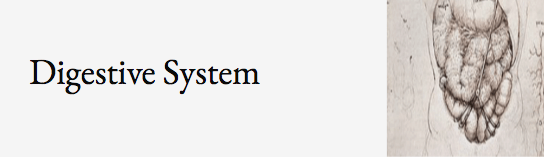
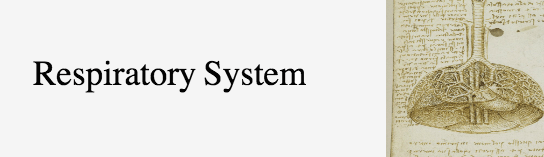
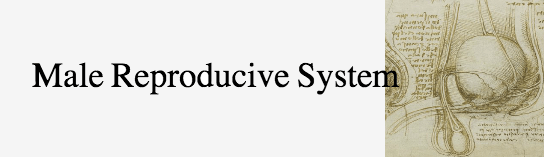
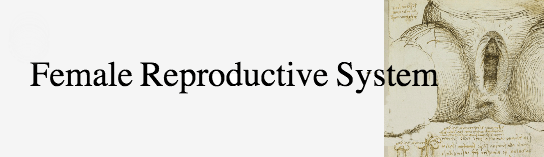
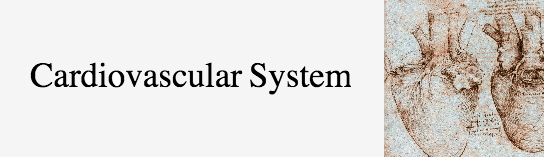
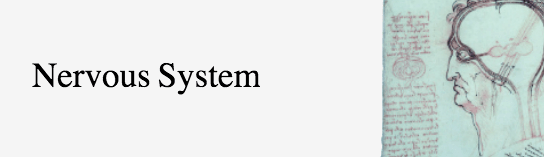
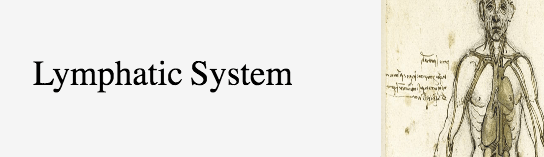
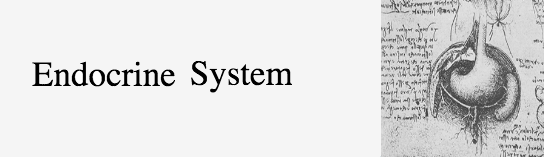
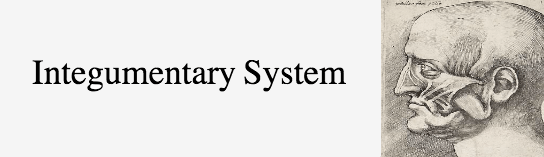
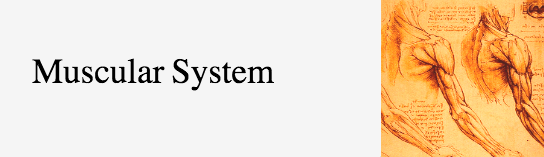
The study of Human Anatomy has practical application in fields as diverse as medicine, (for obvious reasons), to art, as evidenced by these sketches from Leonardo da Vinci. Other fields and hobbies also make use of this knowledge including sports, dance, aviation, diving, among many others. I believe the study of Anatomy may be found extremely valuable to anyone who ventures! Most appreciably, the study of Human Anatomy allows one to better understand the marvelous wonders of their own body, and know how to better care for it.
For much more detailed lab material go here: Table of Lab Pages. These sections are taken from Human Anatomy under Dr. Michael J. Shively at Utah Valley University, using his text Fundamental Concepts of Human Anatomy and the corresponding Lab Guide written by the same.
 Joshua Wilson